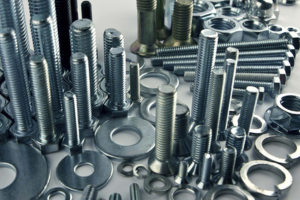
Nickel Alloy Fasteners

Home > Nickel Alloy > Nickel Alloy Fasteners

Nickel Alloy Fasteners Manufacturer, Exporter and Supplier in Midland, UK

Nickel Alloy Fasteners in United Kingdom, Nickel Alloy Bolts Exporter, Stud Bolt, Alloy Spring Washers in Liversedge, Nickel Alloy 201 Fasteners, Alloy Washers in Birmingham, Nickel 200 Anchor Bolts, DIN 2.4068 Screws, Ni Nuts, Nickel Alloy Fasteners Manufacturer in Midland, UK.

Table of Contents

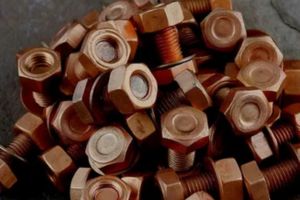
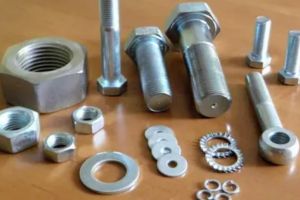
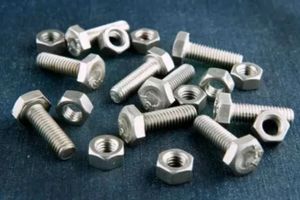
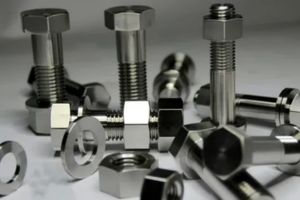
Nickel alloy fasteners comprise essential hardware elements such as bolts, screws, nuts, washers, and studs, all made from alloys primarily composed of nickel, alongside alloying elements like chromium, molybdenum, iron, and cobalt. These alloys are renowned for their exceptional resistance to corrosion in harsh environments, including corrosive chemicals and marine conditions. Moreover, they exhibit robust mechanical properties, maintaining strength and integrity at elevated temperatures, which makes them crucial for industries requiring reliability under extreme conditions.

Nickel Alloy Fasteners Specifications

GradeNickel Alloy
SpecificationsASTM B 160/164, ASME SB 160/164
DimensionASTM, IS, BS and all International Standards
Length3mm to 200mm
SizeM02 to M33 | Custom Sizes
TypesBolts, Nuts, Washers, Anchor Fasteners, Stud Bolts, Eye Bolt, Stud, Threaded Rod, Cotter Pin, Socket Screw, Fine Fasteners & Spares, Foundation Fasteners, Hexagon Castle Nuts, Hexagon Domed Cap Bolts, Hexagon Thin Nuts etc

Nickel Alloy Fasteners Chemical Composition


GradeNiCMoMnSiFePSCuCr
Nickel 99.0 min0.15 max0.35 max0.1 max0.4 max0.01 max0.25 max
Nickel Balance0.15 max0.35 max0.35 max0.40 max0.01 max0.25 max

Nickel Alloy Threaded Stud Bolts Dealer in Birmingham, Nickel Hex Nuts Stockist in Peterborough, Nickel Hex Head Bolt, Nickel Flat Washer, Nickel Lock Washer Trader in Midland, Nickel Heavy Hex Nuts, DIN 2.4066 Socket Head Cap Screws Supplier in Midland, UK.

Nickel Alloy Fasteners Mechanical Properties

Element DensityMelting PointTensile StrengthYield Strength (0.2%Offset)Elongation
Nickel 8.9 g/cm31446 °C (2635 °F)Psi – 67000 , MPa – 462Psi – 21500 , MPa – 14845 %

Top Nickel Alloy Fasteners Manufacturing Company in UK

At PipingMart, we take pride in being the largest supplier and manufacturer in the UK, offering cutting-edge solutions for all your piping needs. With state-of-the-art production plants strategically located in the UK, we boast a vast inventory of over 25,000 tons of premium-quality materials readily available in stock.

Nickel Alloy Fasteners Grades

  • Nickel Alloy 200 Fasteners
  • Nickel Alloy 201 Fasteners

Contact us to get a quick quote for your requirement.

We offer These Nickel Alloy Fasteners as per DIN, ISO, JIS or ANSI Standard.

Nickel Alloy Fasteners, Nickel Alloy Nuts, Nickel Alloy Foundation Bolts in West Midland, Nickel Alloy UNS N02200 Threaded Stud, Nickel Alloy Structural Bolts, Nickel Alloy Plain Washer Stockholder in Nottingham, Eye Bolt, Nickel Alloy 201 Hexagon Nut, Star Washers, Nickel Alloy Hex Head Screw in Yorkshire, Nickel Alloy Fasteners Industrial Fasteners Manufacturers in Midland, UK.

Advantages of Nickel Alloy Fasteners

Advantages of Nickel Alloy Fasteners
  • Exceptional Corrosion Resistance: Nickel alloys are highly corrosion-resistant, making them suitable in various environments, including marine, chemical processing, and aerospace industries.
  • High-Temperature Strength: These alloys maintain their mechanical properties at elevated temperatures, making them ideal for applications requiring high heat resistance, such as gas turbines and power generation.
  • Excellent Mechanical Properties: Nickel alloys exhibit good strength, toughness, and ductility across various temperatures, ensuring reliability and durability in demanding conditions.
  • Wide Temperature Range: They can withstand extremely low and high temperatures without losing their mechanical properties, which is crucial for applications in cryogenic environments and high-temperature processes.
  • Versatility: Nickel alloys are versatile materials suitable for various applications ranging from industrial equipment to medical devices, thanks to their combination of properties.
  • Resistance to Corrosive Environments: These alloys resist corrosion from chemicals, acids, and alkalis, making them valuable in harsh chemical processing environments where corrosion is a concern.
  • Low Thermal Expansion: Nickel alloys typically have a low coefficient of thermal expansion, which means they maintain dimensional stability under varying temperatures, reducing the risk of warping or cracking.
  • Good Weldability and Fabricability: They are generally weldable and easily fabricated into complex shapes, allowing for customization and ease of manufacturing in various applications.

Types of Nickel Alloy Fasteners

Nickel Alloy Machine Screws in UK
Nickel Alloy Machine Screws
Nickel Alloy Head Screw in UK
Nickel Alloy Head Screw
Nickel Alloy Socket Head Bolts in UK
Nickel Alloy Socket Head Bolts
Nickel Alloy Washer in UK
Nickel Alloy Washer
Nickel Alloy Carriage Bolts in UK
Nickel Alloy Carriage Bolts
Nickel Alloy Hex Bolt in UK
Nickel Alloy Hex Bolt

Nickel Alloy Nut, Nickel Hex Head Nut in Birmingham, Nickel Alloy Hex Cap Screws, Nickel Alloy Bolts and Screws in Peterborough, Nickel Alloy 201 Threaded Stud, Nickel Allot Eye Bolts, Nickel Alloy Lock Nut Supplier in Nottingham, Nickel Alloy Fasteners in Yorkshire, Nickel Alloy Marine Anchors, Nickel Alloy Allen Cap Screw Supplier & Exporter in Midland, UK.

Nickel Alloy Fasteners Uses

Application Industry

Due to their exceptional properties, nickel alloy fasteners find extensive industrial use across many sectors. These fasteners, crafted from nickel-based alloys, are critical in various applications where reliability, corrosion resistance, and mechanical strength are paramount. Industries such as aerospace, chemical processing, oil and gas, marine, power generation, and automotive rely on Nickel alloy fasteners to secure vital components in demanding environments.

Oil & Gas Industry

Aerospace Industry

Chemical Processing

Power Generation Industry

  • Chemical Processing: Nickel alloy fasteners are crucial in chemical processing due to their exceptional resistance to corrosion from acids, alkalis, and other harsh chemicals. They maintain structural integrity and reliability in equipment such as reactors, vessels, and pumps, ensuring long-term performance and safety in aggressive chemical environments.
  • Oil and Gas Industry: In the oil and gas sector, nickel alloy fasteners are essential for offshore drilling rigs, pipelines, and processing equipment. They withstand corrosive seawater, high pressures, and temperatures encountered in drilling operations and processing facilities, contributing to operational reliability and safety.
  • Aerospace: Nickel alloy fasteners, including aircraft engines and airframe structures, are vital in aerospace applications. They provide high strength-to-weight ratios, excellent fatigue resistance, and corrosion resistance in both high-temperature and low-temperature environments, ensuring the safety and performance of aircraft components.
  • Power Generation: Within power generation plants, nickel alloy fasteners are used in steam turbines, boilers, and nuclear reactors. They resist oxidation, high temperatures, and steam corrosion, maintaining the structural integrity of critical components and prolonging the lifespan of power generation equipment.
  • Marine Applications: Nickel alloy fasteners are employed extensively in marine environments where they face constant exposure to seawater and saltwater atmospheres. Their superior corrosion resistance ensures the reliability and longevity of marine structures, offshore platforms, and ship components, even in harsh marine conditions.
  • Medical Equipment: Nickel alloy fasteners are utilized in medical equipment and devices due to their biocompatibility, strength, and resistance to corrosion in biological environments. They are crucial in surgical instruments, implants, and medical devices where reliability, longevity, and safety are paramount.

How to Choose the Right Nickel Alloy Fasteners

  1. Identify Application Requirements: Determine the operating conditions such as temperature, pressure, corrosion exposure, mechanical loads, and other factors that the fasteners will be subjected to.
  2. Select the Suitable Nickel Alloy: Nickel alloy fasteners are available in various grades, each offering different levels of corrosion resistance, mechanical strength, and temperature stability. Choose a grade that best matches the requirements of your application.
  3. Consider Fastener Type and Configuration: Determine the type of fasteners needed (bolts, screws, nuts, washers, etc.) and their specifications (size, thread type, head style, etc.) based on the specific assembly requirements and structural considerations.
  4. Evaluate Corrosion Resistance: Consider the environment where the fasteners will be used and select Nickel alloys with appropriate corrosion resistance properties to withstand corrosive chemicals, seawater, high temperatures, and other corrosive elements.
  5. Assess Mechanical Properties: Evaluate the mechanical properties required for the application, such as tensile strength, yield strength, toughness, and flexibility, to ensure that the selected Nickel alloy fasteners can withstand the expected loads and stresses.
  6. Check Compatibility: Ensure compatibility with other materials in the assembly to prevent galvanic corrosion or other forms of material degradation. Consider using isolation techniques or compatible coatings if necessary.
  7. Verify Standards Compliance: Ensure the selected Nickel alloy fasteners meet relevant industry standards and specifications (e.g., ASTM, ASME) for quality, performance, and dimensional accuracy.
  8. Consider Cost: Evaluate the cost of the fasteners in terms of their performance and lifespan. While Nickel alloy fasteners may have a higher initial cost than standard alloys, their superior corrosion resistance and mechanical properties often result in cost savings over the project’s lifespan.
  9. Consult with Experts: If you need clarification on which Nickel alloy fasteners are best suited for your application, consult with engineers, metallurgists, or specialists in fastener selection to get expert advice and recommendations.
  10. Review Supplier Reputation: Choose a reputable supplier or manufacturer with a track record of providing high-quality Nickel alloy fasteners and reliable customer support to ensure product availability, consistency, and timely delivery.

Can Nickel Alloy Fasteners Be Recycled After Use?

Yes, nickel alloy fasteners can be recycled after use. Recycling nickel alloys involves collection, sorting, melting, and refining processes to extract and purify the nickel for reuse in new products, including fasteners. This recycling helps conserve natural resources, reduces energy consumption compared to primary production, and minimizes waste sent to landfills, making it an environmentally sustainable practice.

Nickel Alloy Anchor Fasteners in Peterborough, Nickel Fasteners Stockist, Nickel Alloy Nuts, Nickel Alloy Fasteners Supplier in Hereford, Nickel Alloy Machine Screws, Nickel Alloy Threaded rod, Nickel Alloy Screws, Nickel alloy Washer Supplier in Birmingham, Nickel Alloy Threaded rod in West Midland, Nickel Alloy Nuts, ASTM A160 Nickel Alloy Fasteners in UK, Nickel Alloy Wedge Type Anchor Bolts, Nickel Alloy Fasteners Manufacturer in Midland, UK

FAQ (Frequently Asked Questions)

Can Nickel Alloy Fasteners Be Used For Structural Applications?

Nickel alloy fasteners can be suitable for structural applications, particularly in environments requiring high corrosion resistance and strength at elevated temperatures. Their properties make them ideal for critical components where durability and reliability are essential, though specific grades and applications should be carefully matched to ensure optimal performance and longevity in structural settings.

Do Nickel Alloy Fasteners Require Corrosion Protection Coatings?

Nickel alloy fasteners generally exhibit excellent corrosion resistance, often eliminating the need for additional coatings in many environments. However, in highly corrosive conditions or for extended durability, protective coatings like electroplating or organic coatings can be applied to enhance resistance against specific types of corrosion or wear. These coatings can further prolong the lifespan and performance of nickel alloy fasteners in challenging applications.

Are Nickel Alloy Fasteners Recyclable?

Yes, nickel alloy fasteners are recyclable. They can be reclaimed and reused in various applications after processing, contributing to sustainability efforts and reducing environmental impact through efficient resource utilization.

Nickel Alloy Fasteners Size Chart

SIZES

Nickel Alloy Fasteners Sizes 3/8″-16 x 1-1/4″ 3/8″-16 x 1″ Grade 18-8
1/2″-13 x 2″ 1/4″-20 x 1″ Grade 18-8
1/4″-20 x 1″ 3/8″-16 x 1-1/4″
1/4″-20 x 3/4″ Grade 18-8 5/8″-11 x 2″
1/2″-13 x 2″ 3/8″-16 x 1-1/2″
3/8″-16 x 1-1/2″ 3/8″-16 x 2″
1/2″-13 x 1-1/2″ 3/8″-16 x 1″
1/2″-13 x 1-1/2″ 5/8″-11 x 2-1/2″
5/8″-11 x 2″ 5/16″-18 x 1″
3/8″-16 x 1″ 1/4″-20 x 3/4″

Post Enquiry

Fill out the form below, and we will be in touch shortly.